Retro Games (Arcade)
- 4.4
- Rating
- 1.00M
- Installs
- Free
- Price

 Analysis by App-foxy
Retro Games (Arcade) immediately makes sense if you miss the direct, pick-up-and-play character of older arcade software. I approached it as a quick gaming tool rather than a modern campaign game, and that distinction matters: its appeal is not a large new world, a long story, or a deep progression system. The attraction is the chance to return to the compact, replayable style associated with arcade play. The game is free, aimed at Everyone, and developed by Sahlaoui Mustpha, so it is easy to try without treating the download as a major commitment.
My first impression was shaped by how little ceremony this kind of experience needs. A retro arcade emulator should get me close to play quickly, and that is the standard I would use here. It works best when I have a short break, want something familiar, or feel like testing my reflexes without learning a complicated ruleset. That makes it a different proposition from a current mobile arcade title built around daily missions, elaborate upgrades, or a long tutorial.
The app has attracted a 4.5 average from around fourteen thousand ratings, with roughly one thousand reviews, and it has passed one million installs. Those figures suggest that the straightforward retro concept has found a substantial audience. They do not change the basic trade-off, though: this is a focused arcade experience, not an all-purpose replacement for every kind of gaming app.
You May Also Like

 Blood Strike: 2.5 Anniversary
Blood Strike’s Loadouts Turn Every Drop Into a Tactical Gamble
A close look at Blood Strike’s custom loadouts: how fast access to signature weapons reshapes its battle royale rhythm, rewards preparation, and narrows the gap between fights.

 Pandora - Music & Podcasts
Pandora’s Music Is Easy to Start, but Harder to Recover
Pandora’s strength is its low-effort path from a seed to a station. Its weak spot is how much confidence it asks you to place in connection, setup, and quiet recovery.

 8 Ball Pool
 Is Built on Rivalries, Rematches, and Routine
A close look at the rivalries, rematches, shared routines, and unanswered safety questions that turn a quick pool match into a persistent mobile community.

 Samsung Music
’s Quiet Strength Is Playing What You Already Own
Its reach comes less from spectacle than from dependable access to a personal library. That simplicity is both the app’s strongest retention engine and its ceiling.

 AccuWeather: Weather Radar
AccuWeather Review: A Quick, Clear Forecast for Everyday Decisions
For everyday plans, the best forecast is the one you can understand quickly. AccuWeather makes rain timing, radar, and local conditions easy to act on, with a few trade-offs.

 Hill Climb Racing
Why Hill Climb Racing Still Turns Crashes Into One More Run
A tiny car, a bumpy hill and one more upgrade: Hill Climb Racing keeps resurfacing because its simple chaos makes every near-miss feel personal.
More From Our News Desk



How the retro mood is built from simple pieces
I find the retro mood most convincing when its visual cues, sound, and pacing all serve the same simple purpose: helping me focus on the next attempt. That makes the experience feel deliberate rather than merely old-fashioned, and it gives short sessions a satisfying rhythm. From there, it is worth looking at how those pieces support the actual play.
A visual language that leaves room for the action
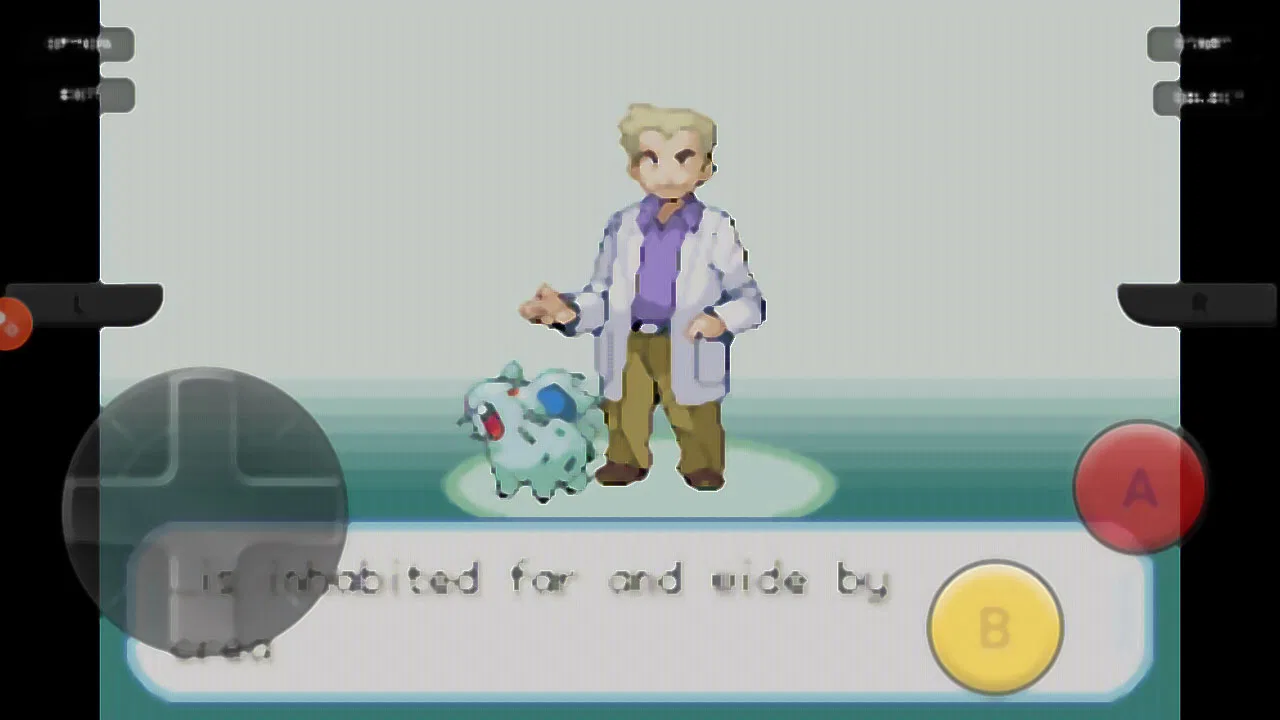
The most important artistic choice here is restraint. Retro arcade presentation works when the screen communicates quickly: the play area, the moving targets, the hazards, and the score should feel more important than decorative menus or cinematic presentation. That economy gives the experience a recognizable identity. Instead of asking me to admire a large setting, it asks me to understand the immediate challenge and try again.
This approach also explains why the game can feel welcoming to a broad age range. The content rating is Everyone, and the basic idea does not depend on mature themes or a complicated fictional background. A younger player can understand the arcade premise quickly, while an older player may enjoy the visual shorthand and the memories it evokes. The same simplicity can feel limited if I am looking for a story-driven adventure, but it is a strength when I want an uncluttered session.
One useful way to judge the presentation is to stop expecting modern mobile games to provide constant novelty. Retro software often creates variety through timing, repetition, and small improvements rather than through a changing landscape. That means the visual style has a practical role: it keeps attention on patterns and reactions. I found that more coherent than adding flashy effects that would distract from the reason to replay.
There is also a useful trade-off for phones. A compact arcade presentation is generally easier to read during a short session than a detailed scene filled with tiny interface elements. On a smaller display, clarity matters more than visual ambition. I would still recommend checking how comfortable the controls feel on your particular device, especially if you prefer precise input, because the retro idea does not automatically make touch controls perfect.
Sound as a cue for movement and repetition
Sound is especially important in arcade games because it helps turn repeated actions into a rhythm. A good effect confirms a hit, a mistake, or a change in danger without requiring me to look away from the play area. Even when the visual design is intentionally old-fashioned, sound can make the session feel active rather than static.
What I like about the retro direction is that it treats audio as part of the game’s timing instead of merely background decoration. Short sessions benefit from clear cues. When I am playing for a few minutes, I do not need a large musical score; I need feedback that makes the next action understandable. That supports the quick-retry character that defines this type of game.
The limitation is that repetition becomes more noticeable in an arcade emulator than in a story game. If I stay with the same challenge for a long stretch, familiar sounds can lose their freshness. I see that less as a flaw in the concept and more as a reason to use the app in focused bursts. Playing until I improve one small part, then taking a break, keeps the sound and pacing from becoming tiring.
Pacing that suits short, repeatable sessions
Retro arcade pacing is built around immediate engagement and repeated attempts. I do not open this app expecting a relaxed exploration session. I open it when I want a clear challenge that can occupy a few spare minutes or invite a longer series of attempts if I become determined to improve. That flexibility is one of its strongest practical qualities.
A realistic everyday use case would be a commute, a waiting room, or a short pause between tasks. I can play without reserving an entire evening, and the basic arcade structure makes it easier to stop after a run rather than feeling that I have abandoned a complicated mission. The same feature helps when I want a low-pressure way to reset my attention after work.
There is a psychological detail I appreciate here: short arcade attempts give improvement a visible shape. I may not unlock a huge new area, but I can react faster, avoid a mistake, or survive longer through better timing. That creates a more honest form of progress than systems that shower the player with rewards while the underlying play remains unchanged.
Where the mechanics fit the presentation
The retro style only works if the mechanics stay readable. An arcade emulator should encourage me to learn through doing, not bury the core interaction beneath menus and explanations. The best sessions are the ones where I can identify what went wrong and immediately try a different response. That loop is more important than any decorative feature.
I would approach the game with a simple workflow. First, spend a few attempts learning the pace rather than chasing a strong result. Next, identify the one recurring mistake that ends a run. Finally, change only one habit at a time. This is useful because arcade challenges can feel random when I am reacting emotionally, but they become more manageable when I treat each attempt as a small experiment.
Another practical tip is to play with a consistent grip and screen position. Touch-based arcade play can become less accurate when I keep changing how I hold the phone. A stable posture makes it easier to tell whether a failure came from the game’s timing or from my own input. That may sound minor, but it is exactly the kind of detail that separates a satisfying replay loop from a frustrating one.
The game is a better fit for players who enjoy repetition, reflexes, and gradual mastery than for people who need constant content expansion. If you want character development, a large narrative setting, or a modern collection of social systems, this is probably not the right choice. A contemporary arcade game may offer more polished touch design and clearer long-term progression. Retro Games (Arcade) makes more sense when the compact challenge itself is the reason you are playing.
What the free model means in practice
The app is free to download, which lowers the barrier to testing its style. That is valuable for a retro emulator because personal taste matters: some players immediately enjoy the old-school rhythm, while others find repeated attempts too narrow. You can discover which group you belong to without paying at the start.
There are in-app purchases priced at $3.99 per item. I would treat those as optional spending rather than part of the reason to install. Before buying anything, I would first decide whether the core arcade loop is holding my attention on its own. If I am only mildly curious, the free entry is enough to make that judgment. If I already know that retro arcade play is exactly what I want, an optional purchase may feel more reasonable, but it should still be considered against how often I expect to return.
The current version is 1.2.2, and the minimum operating system is Android 6.0. That makes the app accessible to people using older Android devices, at least from a compatibility perspective. I would still keep expectations realistic on aging hardware: compatibility does not guarantee that every phone will offer the same comfort, responsiveness, or screen quality. For a reflex-focused game, those practical differences can affect enjoyment more than a specification on a store page.
How it compares with other arcade choices
Compared with a modern mobile arcade game, this one puts the appeal of the retro format ahead of a long reward track or a steady stream of new systems. That can be a welcome change if I want a compact challenge rather than another app asking me to check in regularly. On the other hand, players who rely on detailed tutorials, customization, or clearly staged progression may find newer arcade releases easier to stick with.
It also differs from playing retro games through a broader emulator setup. A dedicated app is the simpler option when I want to open one game experience without configuring a collection, while an emulator platform aimed at enthusiasts may be better for someone who already owns or organizes a range of titles and values control over that library. I would choose based on whether convenience or breadth matters more, rather than assuming one approach is universally better.
For a short break, I would keep the phone steady and choose a place where I can focus on the screen rather than trying to play while walking or doing something that needs attention. A waiting-room session is a better fit than a crowded commute where hand movement and interruptions make precise reactions harder. That small choice can make the same brief play session feel fair instead of needlessly frustrating.
Who will enjoy it, and who should skip it
I would recommend this game to someone who wants a free retro arcade option for short sessions, enjoys repeating a challenge to improve, and prefers a clear visual identity over a large amount of content. It is also a sensible choice for a player who wants something approachable for the Everyone age rating, provided the player is comfortable with the directness and repetition of arcade design.
I would skip it if my priority were a guided story, extensive customization, online competition, or a modern progression structure. I would also hesitate if I dislike restarting after mistakes. The old arcade model is built around accepting failure as part of the loop, and no amount of nostalgia changes that. Players who prefer forgiving checkpoints may have a better time with a casual puzzle game or a newer arcade title designed around gradual relaxation.
It is worth separating nostalgia from actual fit. Recognizing the visual language can make the first session enjoyable, but lasting value comes from whether the mechanics remain satisfying after the novelty fades. I suggest giving it several short sessions rather than judging it after one quick look. If the desire to improve appears naturally, the app has probably found its audience. If the retro surface is appealing but the repetition is not, another genre will serve you better.
My final take on the playable atmosphere
Retro Games (Arcade) succeeds when art direction, sound, and pacing all point toward the same goal: immediate play followed by another attempt. Its mood is compact, direct, and deliberately old-school. I like that it does not need a complicated setting to create a recognizable identity. The focus stays on the challenge, the timing, and the small satisfaction of performing better than before.
Its limitations are equally clear. The narrow arcade focus will not satisfy players looking for a deep world, and repeated audio or attempts may become tiring during long sessions. The optional purchases also mean that free access should be treated as a chance to evaluate the experience, not as proof that every part of it is included without further consideration.
For me, the strongest use is as a pocket-sized reset: open it during a spare moment, play with a steady grip, concentrate on one improvement, and stop before repetition turns into fatigue. Sahlaoui Mustpha has kept the concept focused enough for that role. With its free entry, Everyone rating, broad install reach, and retro arcade identity, this is best understood as a quick mastery game rather than a full modern gaming platform. If that sounds like the kind of mood you want, Retro Games (Arcade) is worth trying; if you need narrative depth or constant new systems, choose a different arcade experience instead.
FAQs for Retro Games (Arcade)
01What types of games are included in the Retro Games (Arcade) app?
The Retro Games (Arcade) app offers a wide variety of classic arcade games, including timeless favorites like Pac-Man, Space Invaders, and Tetris. Each game is designed to recreate the original experience, complete with authentic graphics and sound effects that will transport you back to the golden age of gaming.
02Is the Retro Games (Arcade) app compatible with both Android and iOS devices?
Yes, the Retro Games (Arcade) app is available for download on both Android and iOS platforms. It supports a wide range of devices, ensuring that users can enjoy their favorite retro games regardless of their smartphone or tablet choice. Check the app store for specific device compatibility.
03Does the Retro Games (Arcade) app require an internet connection to play?
Most games within the Retro Games (Arcade) app can be played offline, allowing you to enjoy them without an internet connection. However, certain features, such as leaderboards and multiplayer modes, may require a connection. Always check the game details for specific requirements.
04Are there any in-app purchases or ads in the Retro Games (Arcade) app?
The Retro Games (Arcade) app includes both free-to-play games and optional in-app purchases. While the core gameplay is accessible without spending money, users can purchase additional features or remove ads for an enhanced experience. Ads are generally unobtrusive, but they can be removed for a small fee.
05How often are new games added to the Retro Games (Arcade) app?
The development team regularly updates the Retro Games (Arcade) app with new content, including additional games and features. Updates are typically rolled out every few months, and users are notified through the app store. This ensures the app remains fresh and exciting with a growing library of classic games.
Pros
- Nostalgic graphics and sound design.
- Simple controls
- easy to learn.
- Wide variety of classic games.
- Offline play available.
- Regular updates with new titles.
Cons
- Some games feel repetitive.
- Graphics may seem outdated to some.
- Ads can be intrusive at times.
- Limited multiplayer options.
- In-app purchases for extra features.

Retro Games (Arcade)
Gallery